
Conclusion
The Digital Security Act (DSA), implemented in 2018, has been a contentious legal framework in Bangladesh, drawing widespread criticisms from various segments of society. The law has drawn condemnation from the international human rights body. It has been seen as a serious impediment to freedom of expression and contrary to the covenant Bangladesh has signed on.
The government’s decision to repeal the DSA and introduce the Cyber Security Act (CSA) has not assuaged public concerns, as the most vicious sections are still present in the CSA. As a result, the amendment process, characterized by the transformation of specific sections and the presence of controversial sections, has led to skepticism within the public sphere.
This report, drawing on a comprehensive analysis of DSA trends from October 2018 to September 2023, presents a broad picture of the law’s impacts. By examining twelve specific cases, the report sheds light on the multifaceted consequences faced by those accused under the DSA, ranging from extended pre-trial detentions to instances of abduction and torture.
| Serial No | Name of the accused | Case filed by individual or the state? | Arrested before case filed? | Charge sheet submitted after how many days of filing case? | How many times bail denied? | Bail after how many days of arrests? | Current state of the case |
|---|---|---|---|---|---|---|---|
| 1 | Md. Abdul Kaium | Individual | Yes | 447 Days | 4 | 53 | Proceeding Stayed by High Court |
| 2 | Didarul Islam Bhuiyan | State | Yes | 404 Days | 4 | 132 | Proceeding Stayed by High Court |
| 3 | Jhumon Das Apon (Case 1) | State | Yes | N/A | 7 | 189 | Under Trial |
| 4 | Jhumon Das Apon (Case 2) | State | Yes | N/A | 2 | 85 | Under Trial |
| 5 | Md Ruhul Amin | State | Yes | 57 Days | 2 | 51 | Proceeding Stayed by High Court |
| 6 | Pritom Das | Individual | No | 143 Days | 2 | 132 | Under Trial |
| 7 | Shanto Banik | State | No | 132 days | 5 | 47 | Judge ordered acquittal |
| 8 | Khadijatul Kubra (Case 1) | State | No | 564 days | 4 | 450 | Under Trial |
| 9 | Khadijatul Kubra (Case 2) | State | No | 589 days | 4 | 450 | Under Trial |
| 10 | Lutfur Rahman Shawon | Individual | No | 218 days | 12 | 309 | Under Trial |
| 11 | Imtiaz Ahmed Kajol | Individual | No | 827 days | 9 | 300 | Under Trial |
| 12 | Mamunur Rashid Nomani | Individual | Yes | N/A | 1 | 16 | Under Trial |
These case studies show that DSA has been used by individuals to settle personal scores on the one hand, while by the government against those who have raised voices against injustices, official malpractices, and misgovernance of the ruling regime. The ten individual’s predicaments document the challenges faced by accused individuals. Protracted legal processes, in many instances, are a result of police not filing the charge sheet within the timeframe stipulated in the DSA 2018. One of the critical elements of these cases is disparities in securing bail. Often the accused persons have been denied bail in the lower courts on several occasions. As such, pre-trial jail custody has become a de facto punishment for the accused before completion of trial. They were practically treated as guilty of crimes they might not have committed. In more than one instance, forensic reports have not supported the accusations, yet the accused had to endure pretrial jail custody for a long period. Securing bail does not bring an end to the agonizing experiences of the accused, as the cases drag on for years and years. Throughout the legal process, the accused incur financial losses, Besides, their families face an adverse situation.
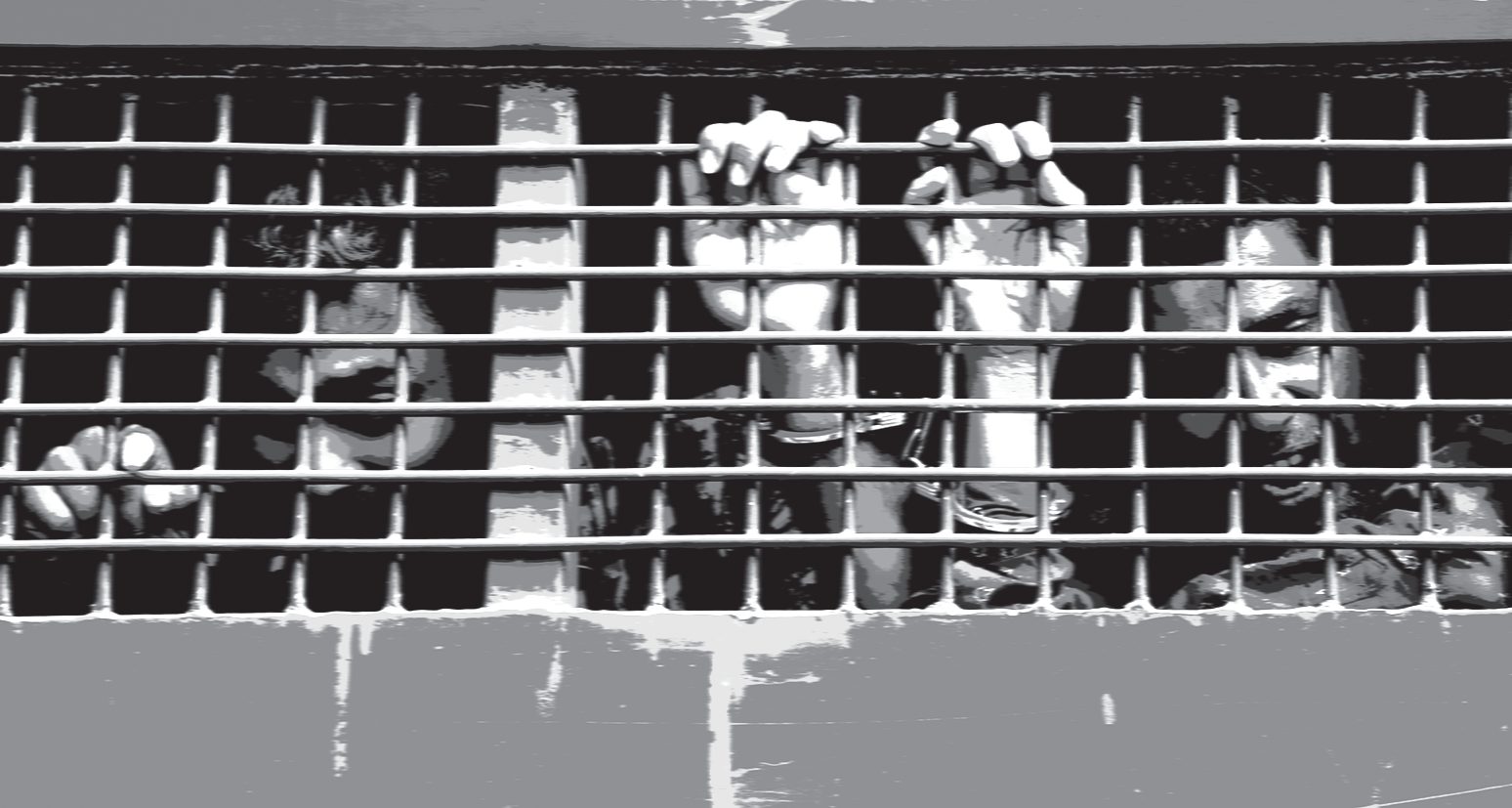
The plight of Mushtaq Ahmed, an author and social activist who died during a ten-month jail custody, serves as a poignant illustration of the severe consequences of use of the DSA to silence the critics. Some of the accused of our sample alleged that they had been mentally or physically tortured and faced degrading treatment while being arrested, for example being blindfolded. In some instances, they have been arrested even before the case against him/her was filed.
All these are contrary to the existing laws of the land and a violation of the fundamental rights of a citizen. The law, by itself, has criminalized dissent, created a climate of fear, and put the sword of Damocles over the heads of the citizens. These cases and the plight of the accused show how the law had become a weapon and provided opportunity for vigilante justice.
The government might suggest now that the law has been repealed and replaced, these are matters of the past. But, as the new law – CSA- is no different from the DSA, there is no reason to believe that the experience will be something different. The assessment of the
DSA of the past five years and these case studies underscores that there should be an independent investigation as to how many people have gone through experiences like these, and how many are still subjected to the lingering effect of cases under the DSA. Considering the experience of five years, the government must examine each cases filed under the DSA, and where injustices have been meted out to the accused’s appropriate compensation should be provided to them.