

Research & publications Web edition
Voices from the Grassroots: Results of a National Survey
A survey of 50 Human Rights Defenders (HRDs) from 36 districts of the country was conducted between 24 May and 25 June 2023. A questionnaire with 28 multiple-response questions and one open-ended questions was administered over the telephone, through email, and face-to-face. The objective of the survey was to gather data about the challenges the Human Rights Defenders face at the grassroots level and their perspectives on the overall Human Rights situation (See Appendix 1 for methodology and the questionnaire). The following are the descriptive statistics of the survey.
Demographic data of the respondents
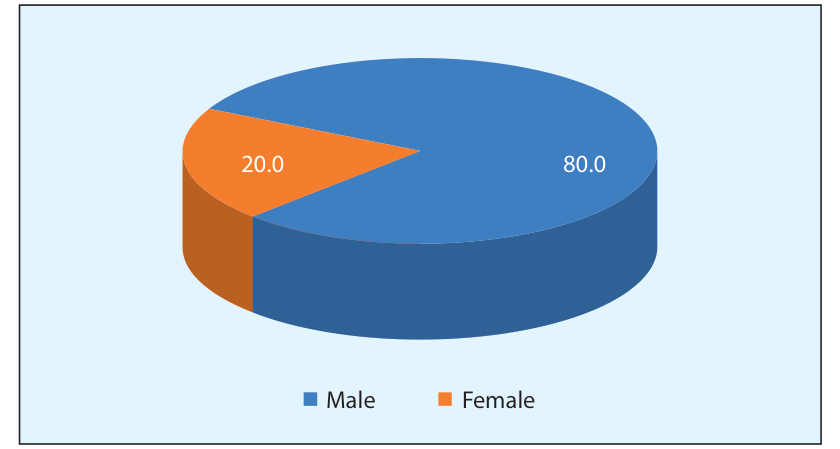
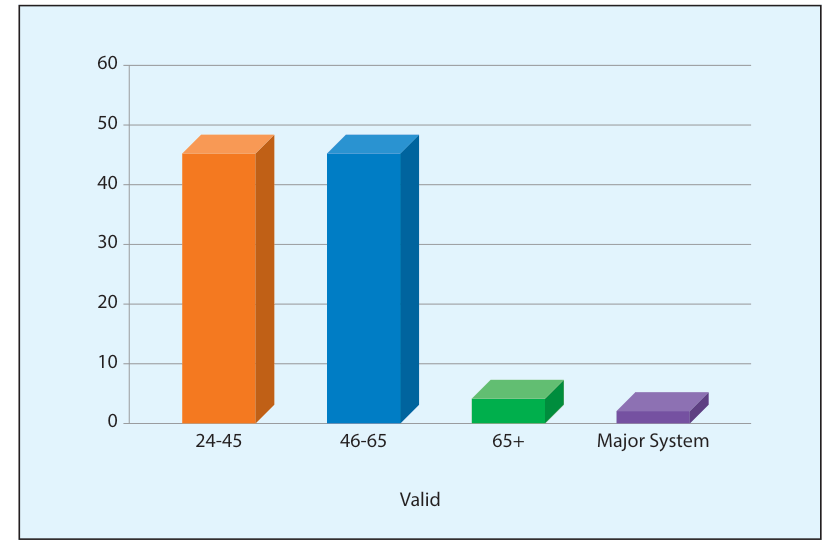
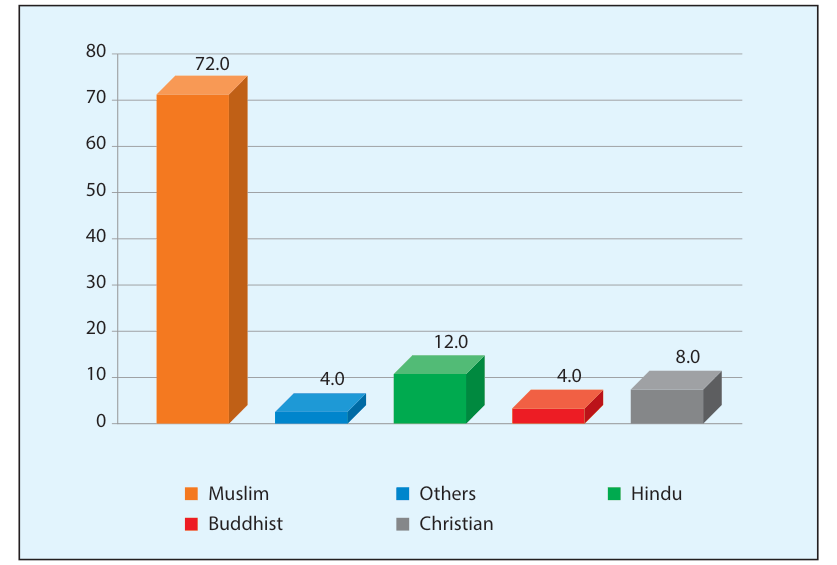
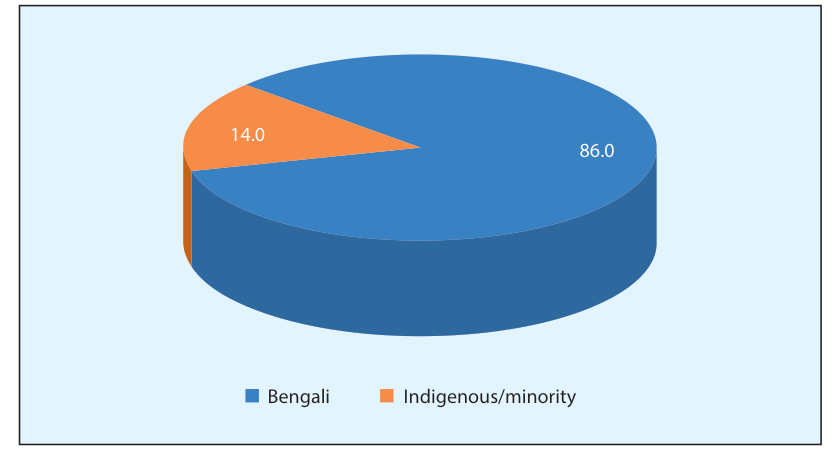
The respondents of this study comprised four-fifths male by gender, almost three-fifths Muslim by faith, and more than four-fifths Bengali by ethnicity. The gender disaggregation showed male dominance in our sample as female human rights defenders are small in Bangladesh. The dominant age group among the respondents was 46-65. (Figures 3, 4, 5, 6).
The scope of the HRDs work, and the length of the HRDs involvement
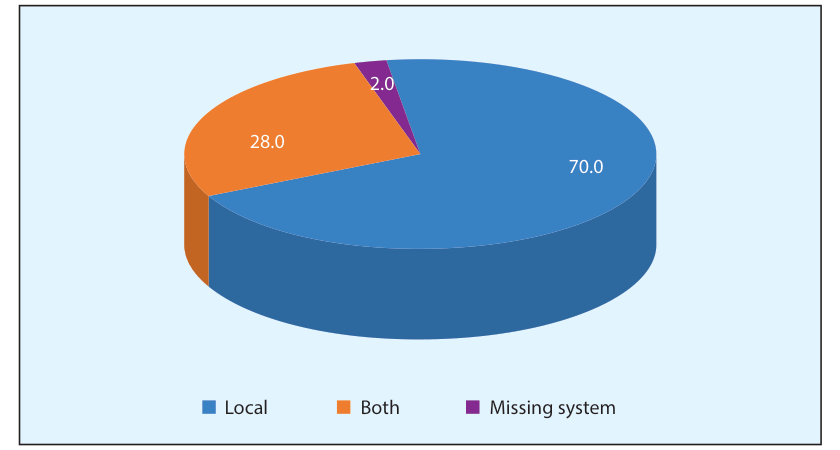
The survey data shows that most respondents, comprising almost two-thirds of the sample, are engaged in human rights work primarily at the local level. A little over a quarter of the respondents reported being actively involved at both the national and local levels (Figure 7). The absence of HRD working at the national level is because the survey was conducted outside the capital. The views of the national-level HRDs are represented through the interviews of the leaders of national-level Human Rights organizations and independent HRDs (See section 4).
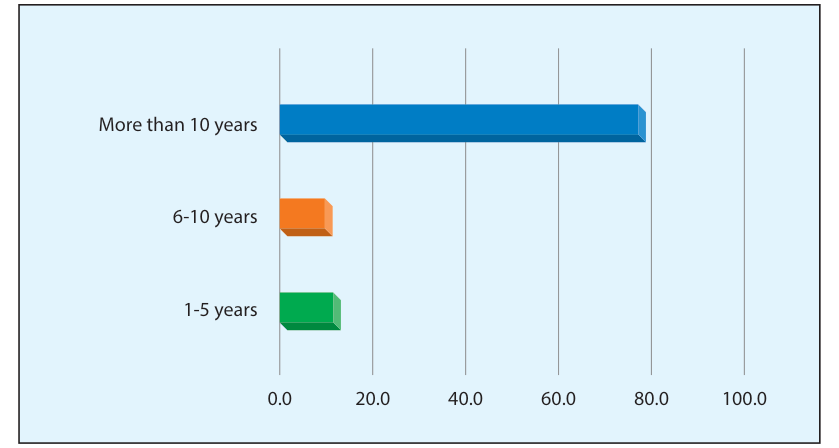
Out of the 50 respondents, more than two-thirds have been active for over 10 years in working on Human Rights. The remainder has been in this field between 6 and 10 years. A large number of HRDs’ long-term involvement in human rights activities has provided them the opportunity to offer a more experienced perspective (Figure 8).
The focus of the respondents’ work
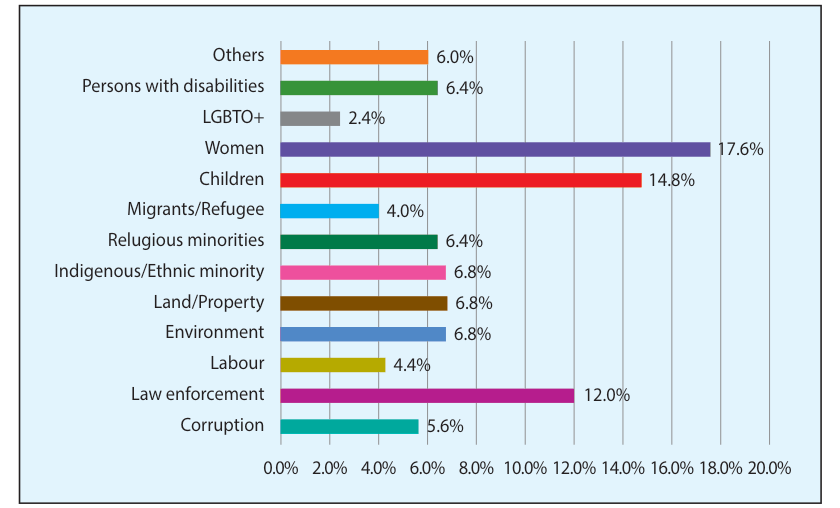
The participants of our survey are engaged in multiple aspects of human rights issues. A large portion of them work with women, children, and law enforcement. In addition to addressing a wide range of issues, such as the rights of individuals with disabilities, religious minority groups, environmental preservation, land and property matters, and combating corruption, they also engage in various other endeavors. A notable proportion of individuals, specifically over 17%, are engaged in work related to women, while a slightly lower percentage, exceeding 14%, are involved in activities concerning children. Additionally, approximately 12% of individuals’ works are related to human rights violations involving law enforcement (Figure 9).
Support and assistance to the HRDs
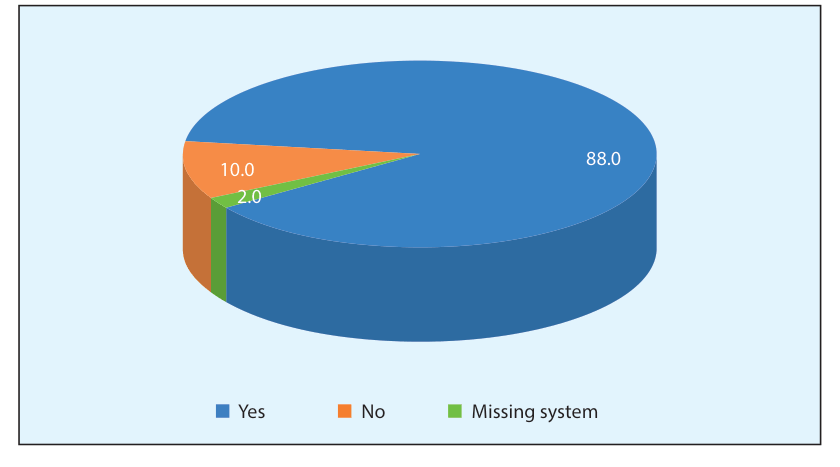
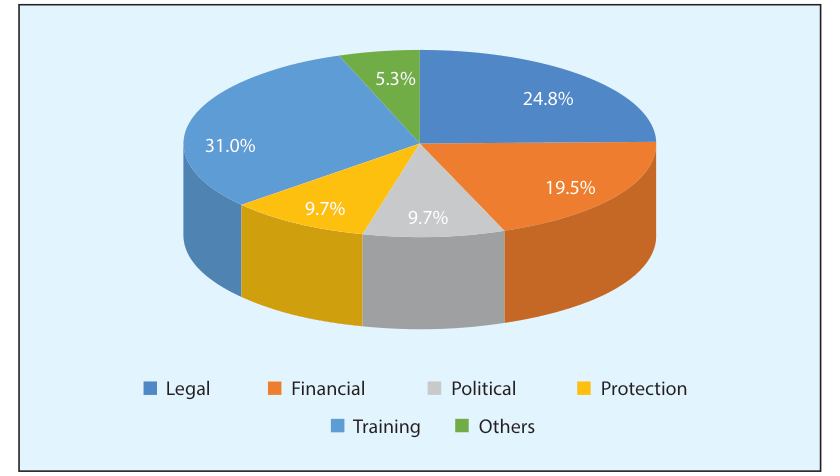
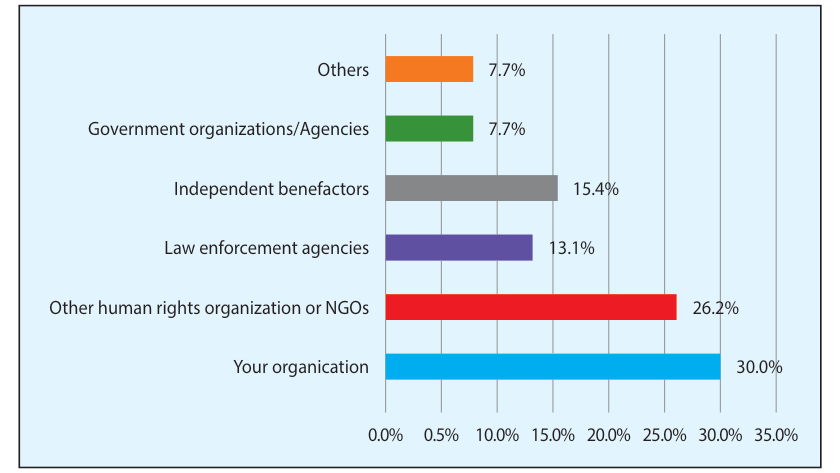
Out of the total 50 respondents, the overwhelming majority, forty-four, responded affirmatively to the question of ‘if they have received or have been receiving support or any form of assistance to facilitate their activities from any source’. More than three-fourths of the sampled population received some kind of help, while one-tenth did not receive any kind of help (Figure 10). Almost three-fourths of that support was received in the form of training on relevant issues. The remaining one-fourth of the assistance came in the form of legal, financial, and political help in the form of protection. (Figure 11). A considerable portion of this support came from the defender’s organization and some notable amount came from Other human rights organizations or NGOs. Respectively 30% and 26% of assistance came from these two sources and the rest were received in minimal amounts from law enforcement agencies, independent benefactors, government organizations/agencies, and other sources. (Figure 12).
The obstacles: nature, scope, sources, and methods
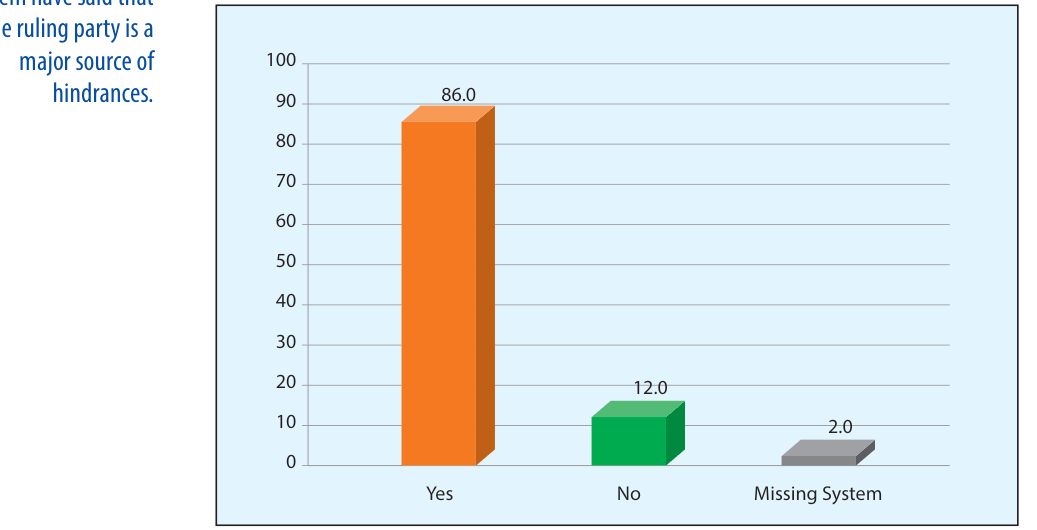
Of the respondents in the survey, more than eight in ten, have faced some kind of obstacle as a human rights defender. While one response is missing, a little over one in ten said that they have not faced any hindrances. The response paints a picture wherein HRDs are in a difficult situation and are faced with various kinds of obstructions.
Almost a quarter of
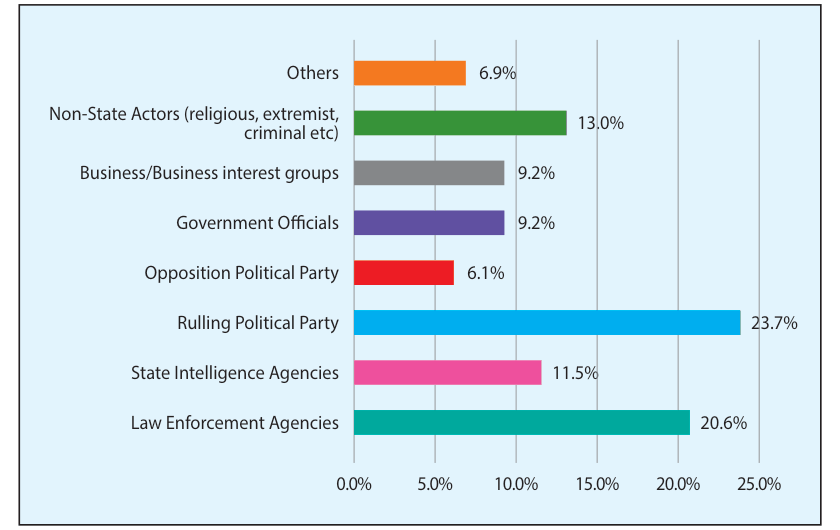
Those HRDs who have reported obstacles have identified four major sources, of which three are directly and indirectly tied to the state and government (Figure 14). These sources are the ruling party, law enforcement agencies, and intelligence agencies. The fourth source is non-state actors. Almost a quarter of them have said that the ruling party is a major source of hindrances, while one-fifth have reported to law enforcement agencies, and more than one-tenth have reported intelligence agencies as a source of intimidation. These sources, including government officials, constitute 65 percent of the responses.
Considering multiple response options, these sources are not mutually exclusive, instead, the same person may have faced intimidation from several sources.
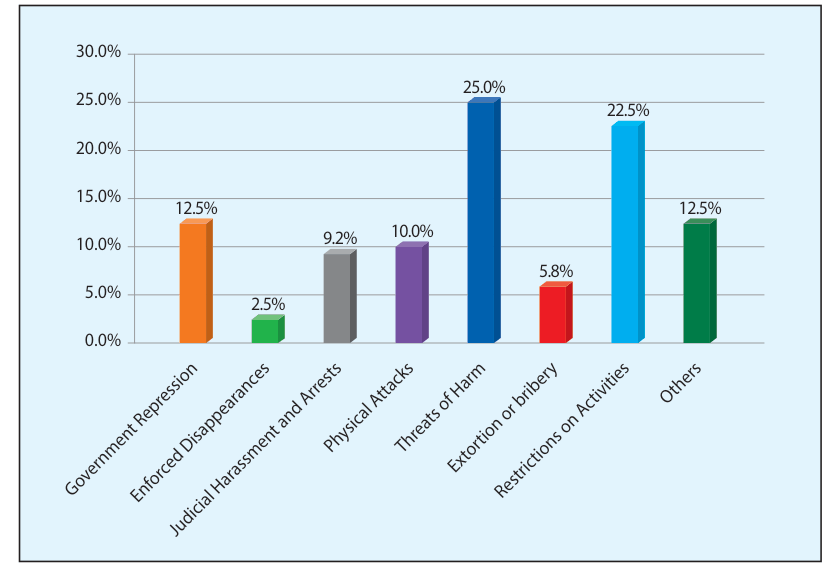
Respondents were presented with a list of 7 multiple options to choose from and an ‘other’ option to identify anything not listed identifying the nature of the obstacles and intimidation they faced. They were allowed to select more than one option, resulting in a total of 120 responses from the 50 respondents. The breakdown of responses included: Government Repression (15 individuals), Enforced Disappearances (3 individuals), Judicial Harassment and Arrests (11 individuals), Physical Attacks (12 individuals), Threats of Harm (30 individuals), Extortion or bribery (7 individuals), Restrictions on Activities (27 individuals), and others (15 individuals). This shows that 60% of our respondents faced threats to harms and 54% respondents faced restrictions on activities. Percentage wise breakdown of the total 120 responses are presented in Figure 15.
The responses show judicial harassment, particularly through the filing of frivolous cases, as well as government repression, as major forms of intimidation. Notably, Figure 15 indicates that 3 out of the 50 respondents reported experiencing enforced disappearance. Furthermore, excluding threats of bodily harm, which could originate from various sources, approximately 25 percent of the intimidation and harassment faced by human rights defenders (HRDs) were attributed to government-affiliated entities.
When asked about the methods of harassment, respondents frequently
More than ten
mentioned imparting fear by various means, being followed, and being
percent of the
subjected to physical attacks. More than ten percent of the respondents
respondents said
said that their friends and family members have been subjected to
that their friends
various means of intimidation. Given multiple response options, 225
and family members
instances of various methods of intimidation demonstrate that many
have been subjected
respondents have faced several kinds of harassment and intimidation.
to various means of
In addition to physical attacks and being followed/watched, Human
intimidation.
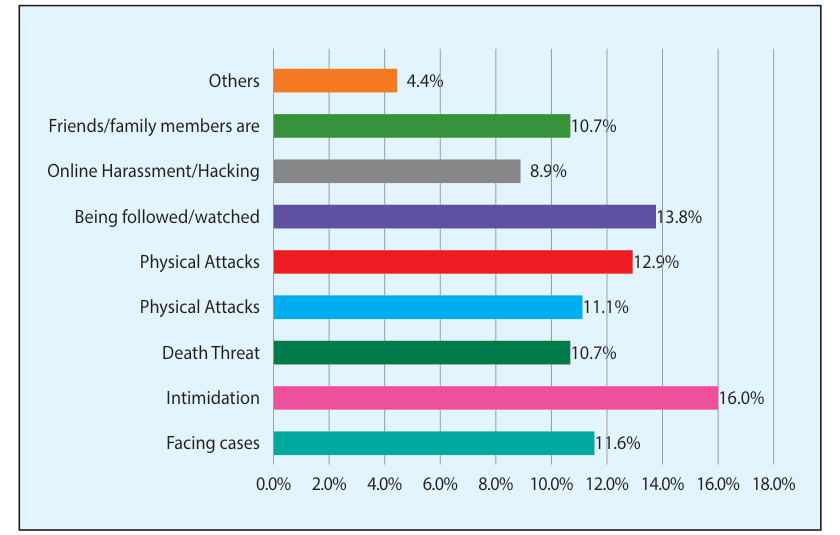
Rights Defenders commonly experience harassment and threats in various forms. According to participants, these harassment tactics and threats include legal cases (11.6%), death threats (10.7%), physical attacks (11.1%), threats of physical harm (12.9%), online harassment and hacking (8.9%), harassment, intimidation, or persecution of friends and family members (10.7%), and other forms of harassment (4.4%) (Figure 16).
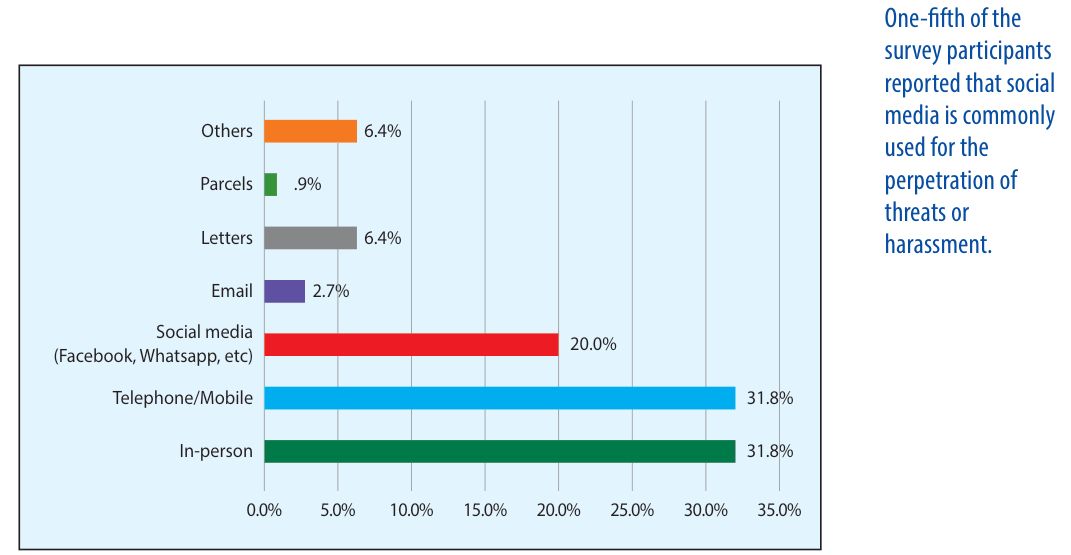
Our respondents shared their experiences regarding the common methods used to carry out threats or harassment. A significant portion of participants, more than one-third, reported that threats or harassment typically occur in person, while a similar percentage reported that they occur via telephone or mobile devices. One-fifth of the survey participants reported that social media is commonly used for the perpetration of threats or harassment (Figure 17).
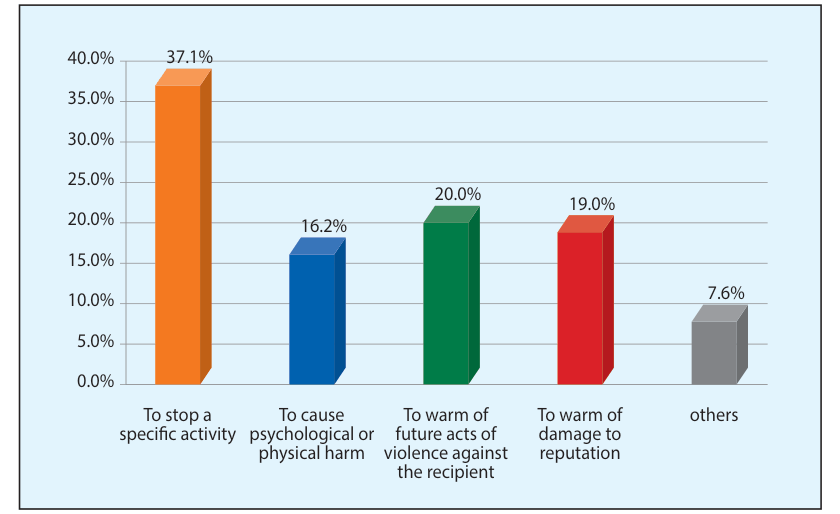
Participants were asked about the objectives of these acts of harassment. Most of our respondents indicated that the purpose of threats or harassment was to stop a particular activity. Additionally, one-fifth of the respondents stated that the intention behind these actions is to warn of future acts of violence against the recipient. Almost one-fifth of the respondents indicated that threats or harassment are motivated by a desire to warn of potential damage to their reputation (Figure 18).
The role of authorities in defending the HRDs
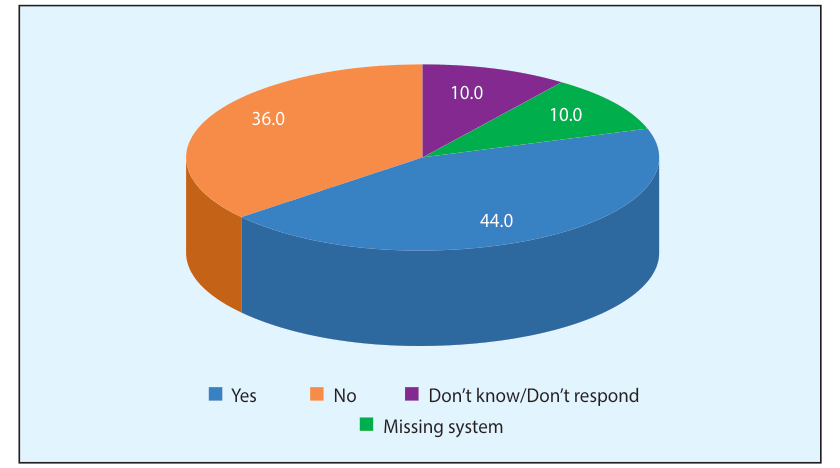
Almost half of the respondents who reported facing harassment and/or
The high rate of
intimidation informed that those threats were reported to the relevant
non-response to this
authority. However, more than a third said they were not reported and
question is a tacit
10% declined to respond. The high rate of non-response to this question
acknowledgment
is a tacit acknowledgment that there is little hope of action by
that there is little
concerned authorities (Figure 19).
hope of action by concerned authorities.
Of respondents who informed that they had reported the threats to the relevant authorities, almost a quarter said that these threats were investigated. However, 16% said these were not investigated, while almost an equal percentage of respondents didn’t want to respond or
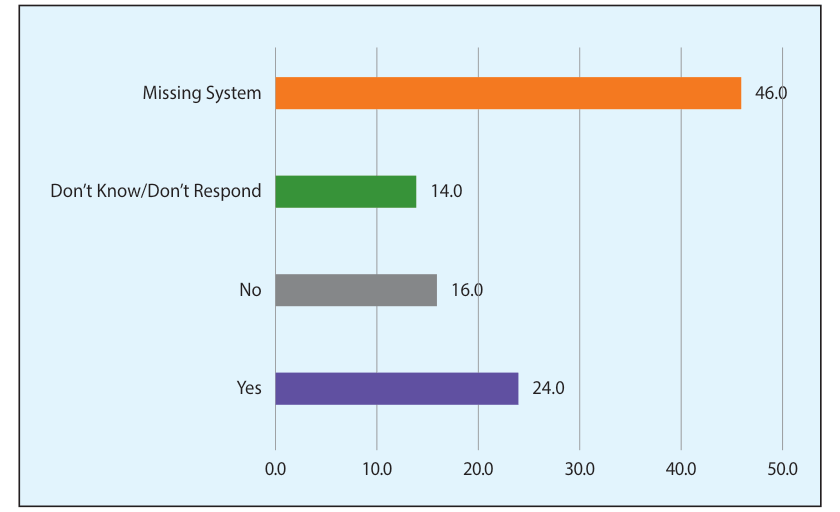
didn’t know (Figure 20).
Figure 20: Was an investigation conducted?
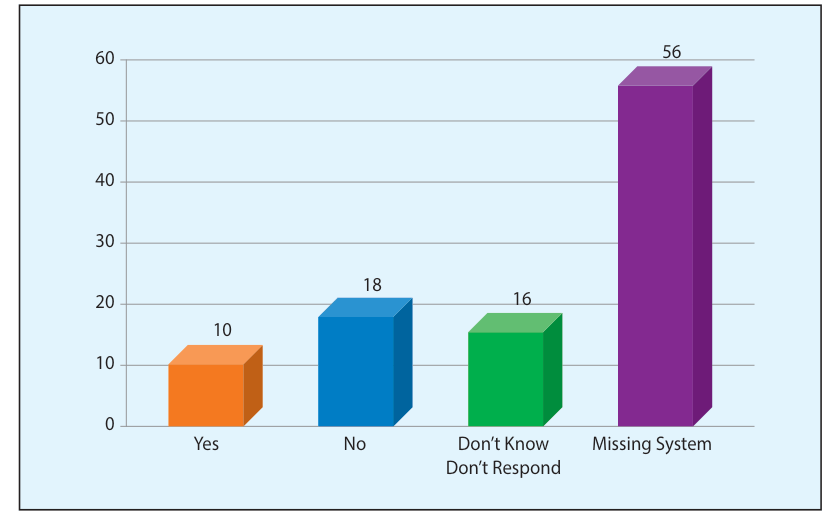
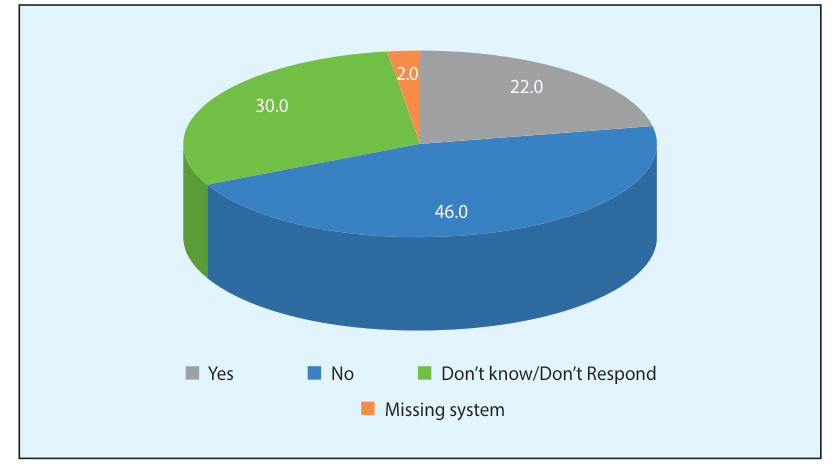
Most of the respondents who had reported threats to the respective authorities expressed dissatisfaction with the outcome; about one-fifth responded negatively, while only one-tenth were satisfied. It is worth noting that 16 percent didn’t know or didn’t respond (Figure 21)
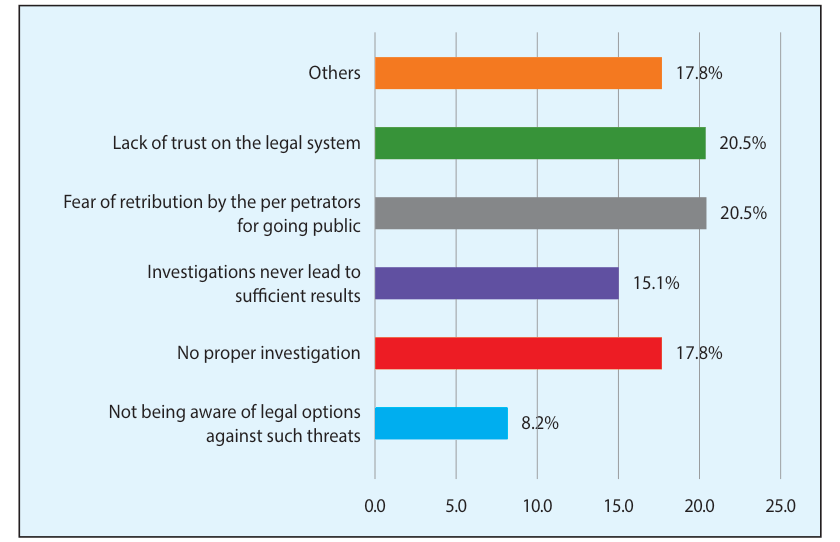
There seems to be a strong consensus regarding the reasons for underreporting threats. A significant proportion of our participants, one in five, that is 20%, believe that the reason threats are not reported is fear of retribution by the perpetrators. Additionally, more than one-fifth of respondents believe that the lack of trust in the legal system is the cause of non-reporting. A high proportion, more than 17 percent, perceive inadequate investigation as a contributing factor for not reporting threats (Figure 22)
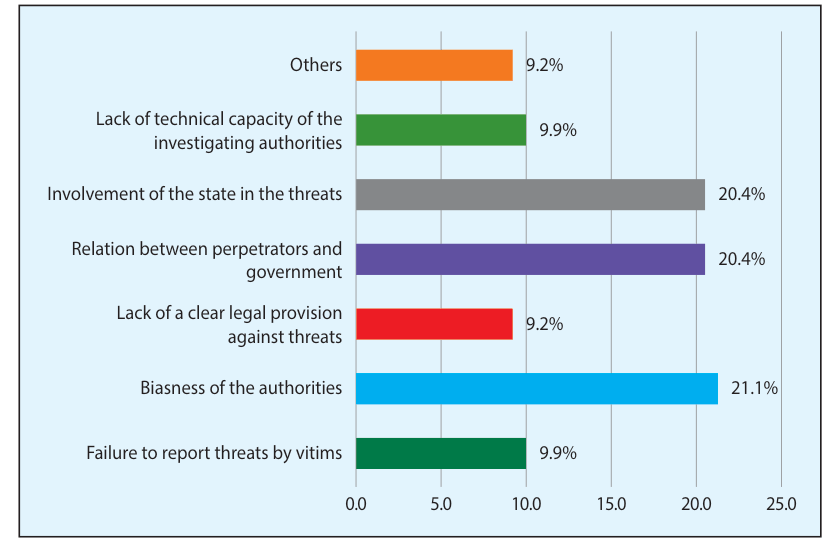
Referring to the persistent allegations that the threat against HRDs is not investigated, respondents were asked about their opinion as to why proper investigations are not conducted. Four factors have stood out in these responses: bias of the authorities, involvement of state actors, and the relationship between the government and the perpetrators. Almost ten percent, however, also opined that failure to report to the
authorities is to be blamed (Figure 23).
Figure 23: Why proper investigations are not conducted
Impacts of the threats and intimidations
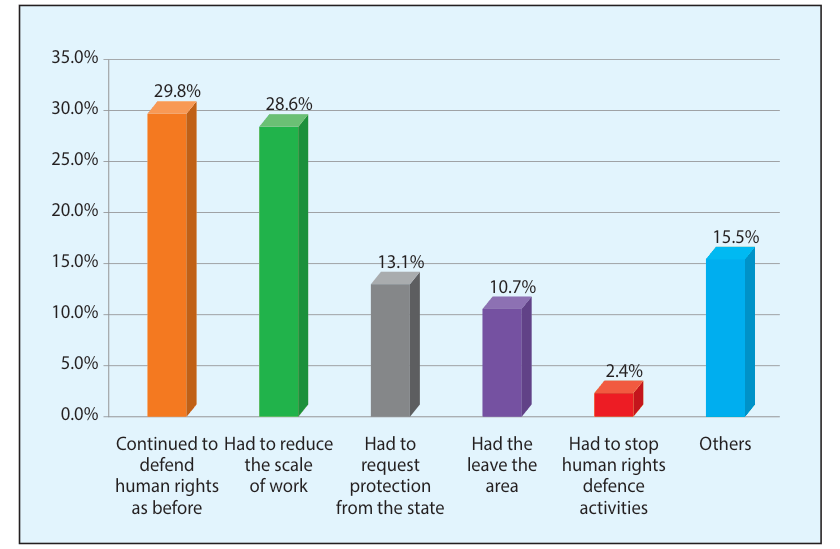
The respondents informed that threats and intimidations significantly affected their daily activities and lives. Despite the resilience of almost one-third of the HRDs, reflected in the continuation of their work, almost one-third also reported scaling down their work. A total of 2.4% of participants were compelled to discontinue their engagement in human rights advocacy. Participants also reported the need to relocate and seek state protection (Figure 24). Altogether, 41.7% of the respondents said that these threats and intimidations have imperiled their lives.
The respondents informed that
There seems to be a strong consensus regarding the reasons for
threats and
underreporting threats. A significant proportion of our participants, one
intimidations
in five, that is 20%, believe that the reason threats are not reported is
significantly affected
fear of retribution by the perpetrators. Additionally, more than one-fifth
their daily activities
of respondents believe that the lack of trust in the legal system is the
and lives.
cause of non-reporting. A high proportion, more than 17 percent, perceive inadequate investigation as a contributing factor for not reporting threats (Figure 22)
Overall picture of the Human Rights situation and protection of the HRDs
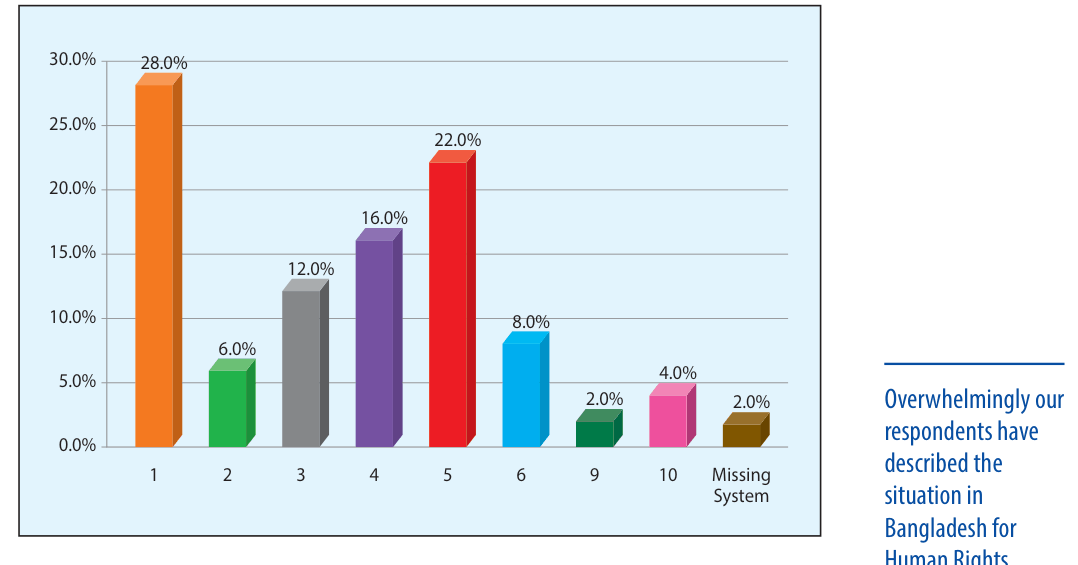
As for the overall human rights situation of the country, on a scale of 1 to 10 (1 being the worst and 10 being the best), more than a quarter said it is worst and a total of more than a one-third have rated it as worst or near worst. A total of 46% rated the situation between 1 and 3. Only 6% of the respondents described it as very good and good (scoring 9-10) (Figure 25).
Defenders (HRDs) as unsafe.
Overwhelmingly our respondents have described the situation in Bangladesh for Human Rights Defenders (HRDs) as unsafe. More than one-third of respondents deemed it extremely unsafe, and more than one-quarter deemed it moderately unsafe. Only 2% of respondents described the situation as safe. These results highlight a significant concern among the surveyed individuals regarding the safety and security of human rights defenders in Bangladesh (Figure 26).
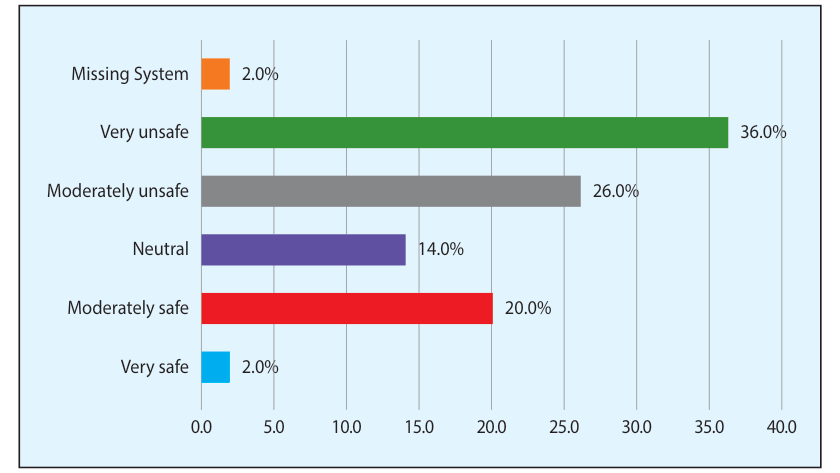
Overwhelmingly our respondents have described the situation in Bangladesh for Human Rights Defenders (HRDs) as unsafe. More than one-third of respondents deemed it extremely unsafe, and more than one-quarter deemed it moderately unsafe. Only 2% of respondents described the situation as safe. These results highlight a significant concern among the surveyed individuals regarding the safety and security of human rights defenders in Bangladesh (Figure 26).
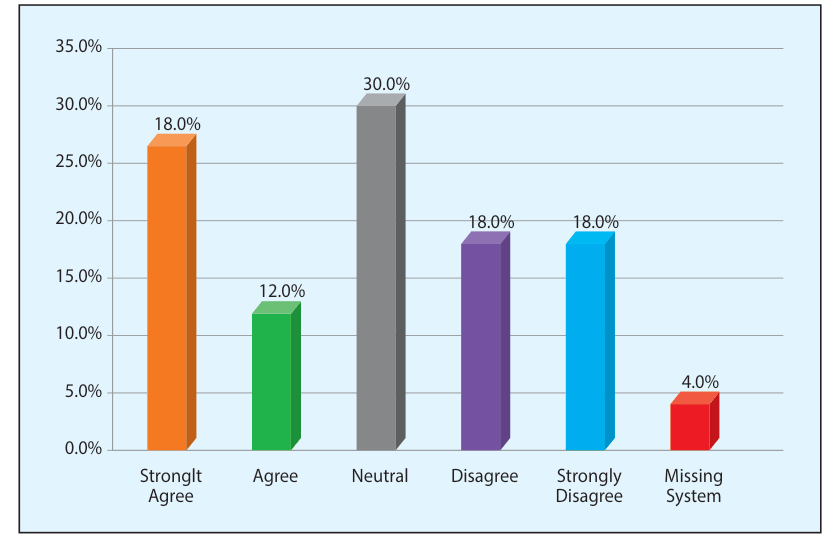
Most of the HRDs surveyed felt that Human Rights Organizations (HROs) do not provide safety and support to the HRDs. More than one-third (36%) either strongly disagreed or disagreed with the statement that the HROs provide support. However, about 30% of the respondents were ambiguous. They responded with a score of 3 on a scale of 5 (1 being supportive and 5 being not supportive at all). Two respondents skipped the question (Figure 28).
Most of the HRDs surveyed felt that
What More the HRDs Said
Human Rights Organizations
When asked about the other obstacles human rights defenders face in
(HROs) do not
their activities, 38 participants of the survey responded. They
provide safety and
emphasized that the HRDs have no freedom of expression and are often
support to the HRDs.
harassed using the Digital Security Act. They often become the victim of unjustified arrests. Additionally, significant barriers come from politically influential people. One respondent shared his experience of being harassed, both physically and psychologically, by a politically influential person. Several Human Rights defenders point out that they become the target of law enforcement agencies’ surveillance if any of their activities appear to conflict with government interests. These put them in persistent concern for their own and their families’ lives. There is even a lack of coordination and cooperation in investigation efforts and initiatives to save the victims. In short, the defenders expressed their anguish regarding the system that has failed to protect human rights as well as human rights defenders.
Some respondents noted that there are some fake HROs that diminish the reputation of actual HRDs. They urged the National Human Rights Commission to be more vigilant about these organizations and widen the scope of lodging legitimate protests against gross human rights violations. The Commission’s capacity needs to increase in the case of helping the HRD several respondents said. Besides the Commission, other executive and administrative bodies at the state level need to be active to ensure the protection of the defenders. The mass media needs to promote the activities of the defenders rather than hinder them.
Human Rights Organizations need to offer more assistance to the HRDs according to a few respondents. Better collaboration among the organizations to protect their activists is needed. The defenders need to be equipped with better capacity through proper training. There should be adequate technical support to help the defenders in performing their duties properly and they should be informed about the channels they can reach in case of any danger. There is also a lack of unity among the defenders. There needs to be a coalition among the defenders despite ideological differences so that they can assist each other and stand together against human rights violations. This is an opinion that has been expressed by quite a few respondents.
As human rights defenders are not working to pursue their interests, but instead working to protect the people at large, they deserve to be protected by the laws, agencies, governments, and all other relevant stakeholders. The need for laws to protect the defenders and the law enforcement agencies’ cooperation in this regard has been underscored. This is needed to ensure that the HRDs can perform their
Some respondents
activities without any fear or threat of any kind. The Human Rights
noted that there are
Defenders who represent minority groups are in extreme danger; they
some fake HROs that
can hardly raise their voice against any sort of human rights violence.
diminish the reputation of actual HRDs.