A Few Disturbing Aspects
Notwithstanding the wanton use of the DSA against political opponents, journalists, students, and members of the civil society, at times described by several ministers as ‘abuse’, and creating an environment of fear, several disturbing aspects inherent to the law and its implementation has been observed. These are: the lack of transparency, lengthy trial process, pre-trial detention, allowing children to be subject of accusation and arrests, and allowing a culture of vigilante justice to flourish.
The use of the law was widespread, yet the government created a shroud of mystery regarding statistics about the number of cases, accused, arrests and convictions. As mentioned earlier, even when the Law Minister informed the parliament of the number of cases, there was no further detail. Attempts to gather data were met with stonewalling from the police and respective authorities (The Unending Nightmare, pp. 11-12). The veil of secrecy regarding basic information provides an impression that the government intended to hide the extent and the pattern of the use. This is contrary to the basic principle of transparency, especially about a law which has been subjected to widespread criticisms.
In Bangladesh, the trial process of any case is lengthy and often riddled with various problems causing suffering to the accused. Cases filed under the DSA are no exception. However, it is evident that very few cases have been disposed over the past years. As such, these cases will continue to linger for coming years causing hardships to the accused and their families.
The lengthy process is in part because of the delay in submitting reports by the police. According to the law, after filing the case, the police are required to file an investigation report on which the charge will be formed. The law stipulates that an investigation report must be submitted within 60 days. If necessary, the investigating officers can seek
an extension of 15 days from the authorities. After 75 days, they will have nothing to do. It then falls under the jurisdiction of the tribunal. But throughout the period that the law was used, it has been seen in many cases, that even if the investigation report was not submitted within the stipulated 75 days.
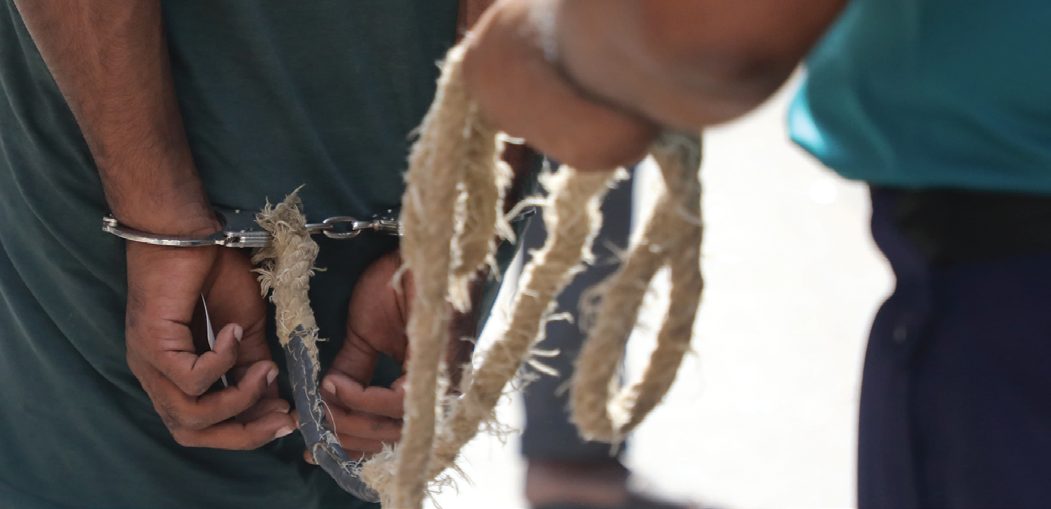
One of the key elements of the DSA was that a case could be filed based on suspicions and an accused can be arrested. The Act empowers authorities to launch investigations into individuals considered a threat, leading to arrests without warrants based solely on suspicion of social media-related crimes. Moreover, it allows for searches and seizures without judicial oversight, granting the police extensive powers. There have been many instances where an individual was arrested even before a case was filed. As most of its provisions were non-bailable, the accused were detained for an indefinite period while bail petitions were denied by the courts. This is nothing short of effectively being punished before the trial.
That the children were subjected to the law and detained is deeply disconcerting. Our data shows that at least 28 individuals under the age of 18 were accused and 22 of them were arrested. The law clearly failed to protect the vulnerable segment of society, instead putting them more at risk.
The law allowed anyone to file a case, even if he/she is not an aggrieved party. Such provision of the law, especially in a very polarized socio-political environment and highly politicized law enforcement agencies, opened the door for vigilante justice. The law has been used to silence contrarian voices, harass political opponents, settle personal scores, and in some instances by members of law enforcing agencies for extortion. This very nature of the law had practically weaponized a law to serve the interests of powerful individuals rather than delivering a semblance of justice.