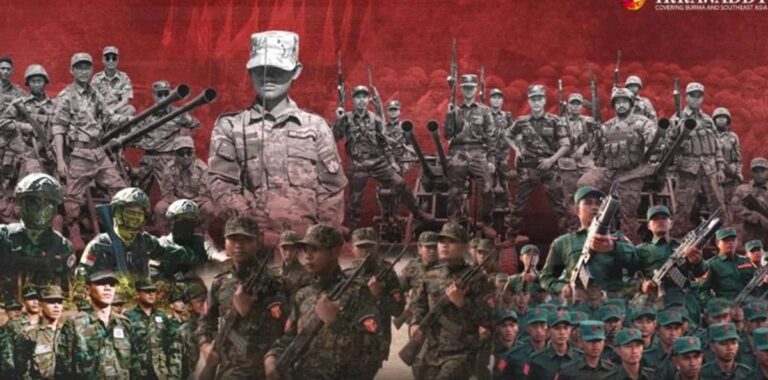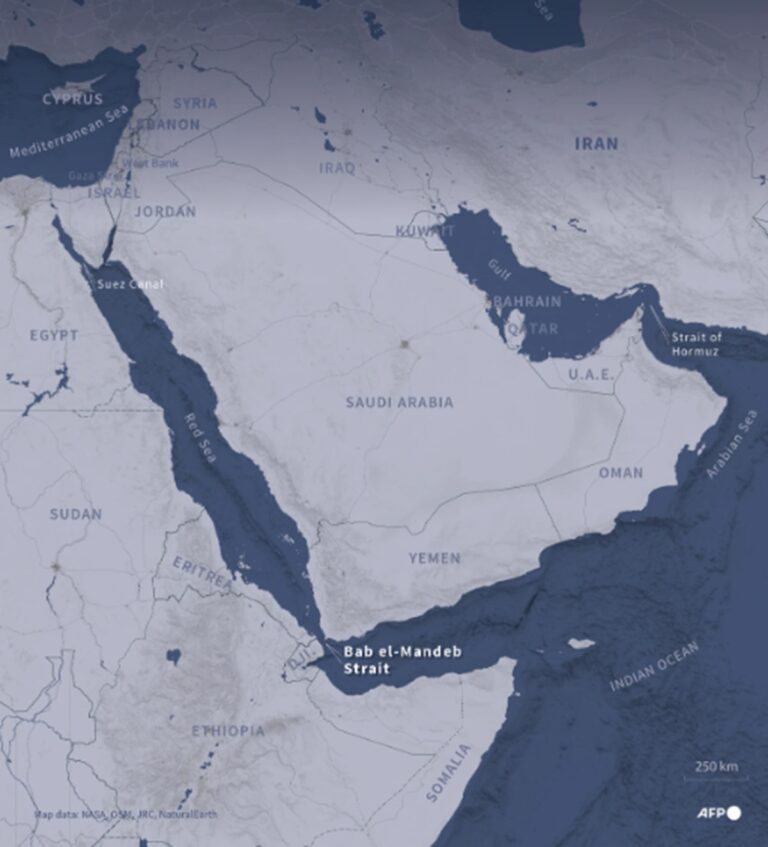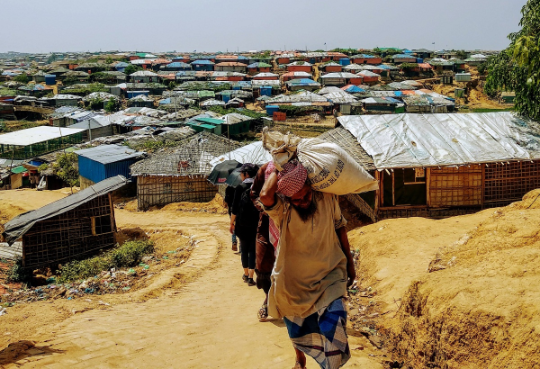
It has been three years since the Rohingya refugees came into Bangladesh as the most persecuted people of the modern world(Canal, 2017). On the 25th of August, 2020 the Myanmar repressive military regime with full consent from Aung San Suu Kyi attacked the Rohingya minority living Arakan/Rakhine for thousand of years(Ridgwell, 2019). The Myanmar state-funded atrocities killed hundreds of Rohingyas, raped many women, burnt houses and corps, and even burnt some villages entirely(Tulaganova, 2019). World community condemned the Myanmar regime’s continuous brutality and UN even called the brutal crackdown of the Military regime, Border Guard Police assisted by the local violent Buddhist Rakhine people as ‘textbook example of ethnic cleansing’(Nebehay, 2017). But it is a matter of regret that Myanmar did not stop killing, raping, looting, and displacing more than a million people from Myanmar. The Rohingya influx entered Bangladesh in full support of the people (Arnold, 2017) after international humanitarian organizations pressurized the Bangladesh government (Hussain, 2016). Kutu Palong, the largest Refugee Camp in the world has almost more than one million people who do not know what is coming for them in the future.
The Gambia, with the support of OIC, took Myanmar's de-facto leader Aung San Suu Kyi in International Court of Justice (ICJ) and ICJ also gave the verdict in favor of Rohingya acknowledging Myanmar's genocidal atrocities(“Rohingya crisis: The Gambian who took Aung San Suu Kyi to the world court’’, 2020). Yet Myanmar is not taking back her people from Bangladesh. No development, no further talks happen to take the Rohingyas back to their houses in Arakan where they were living century after century.
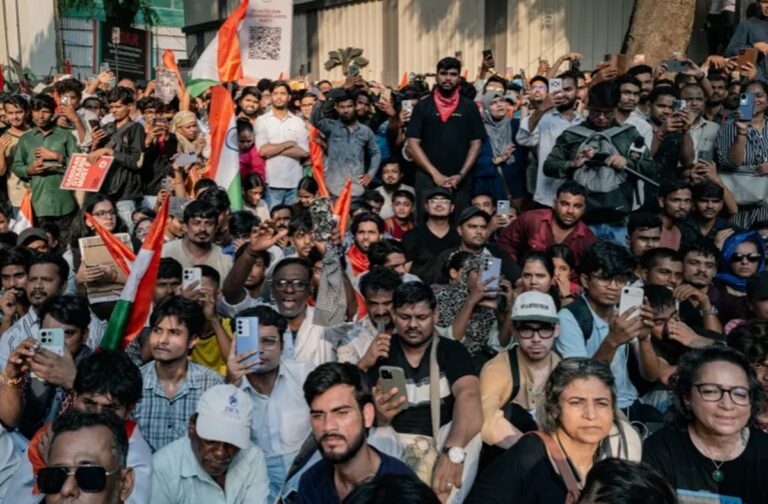
Aung Saan Suu Kyi is accused of being silent about the genocide of Rohingya by her fellow Nobel Laureates' comrades for her shameless stance for justifying the ethnic cleansing(Al Jazeera English, 2017; Naaman Zhou & Safi, 2017). She even did not call the 'Rohingya' as the 'The Rohingya', rather call them 'Bengali' or 'Muslim', or 'Muslim Bengali', which is so much racist and Islamophobic rhetoric(“Aung San Suu Kyi Tells UN That the Term ‘Rohingya’ Will Be Avoided,” 2016; Slodkowski, 2016). In this condition, Myanmar and Bangladesh have not reached the goal to return the Rohingya people to their homes. Bangladesh and Myanmar are trying to keep this crisis a bilateral one, although the bilateral agreement has failed(Yesmin, 2018). Besides, China and India are on the same side when it comes to the Rohingya Crisis and that is why they do not want to engage the UN, EU (European Union), OIC (Organization of Islamic Cooperation), United Kingdom, USA, France, and Canada, etc. India’s Modi visited Myanmar at that crucial time keeping Sheikh Hasina all alone (Jacob, 2017) and China is investing more in Arakan for its economic and geopolitical interest (Nachemson, 2020; Dasgupta, 2017). China had their long history of a good relationship with Myanmar, but what Narendra Modi did (by abstaining from voting against Myanmar and signing Bali Declaration which condemned Myanmar’s brutality) was just a betrayal to Bangladesh people who considered India as their friendly country(India Abstains from Voting on UN Resolution Condemning Violence against Rohingya in Myanmar, 2017; ET Bureau, 2017). To us, China and India both have their own Arakan in Xinjian and Kashmir respectively and that drives them to influence Bangladesh not to take the issues to the Muslim and Western countries and the West-centered organizations. And that is why the regular bilateral process of the solution of the Rohingya crisis has failed.
As we are researching on finding a sustainable solution, we have discovered that many weak diplomatic moves from the Bangladesh side made the crisis a critical one to be solved. We have some recommendations that are not discussed in the regional and international forums which need to be focused.
1. R2P & PR2PH: Responsibility to Protect (R2P) can be a very effective way to solve the crisis. Bangladesh's government could move forward for presenting the emergence of R2P to protect the Rohingya people. United Nations could apply its force to protect the Rohingya community after hundreds of world media reported the ongoing ethnic cleansing, even Annan Commission reported serious human rights violation there in Rakhine. The next things could be Protected Return to Protected Homeland (PR2PH) under the UN and international forces. We have seen the effectiveness of R2P/PR2PH in Kosovo, Bosnia, Eritrea, etc. which also some consequences as well.
2. Safe Zones, Safe Heaven: Creating a safe zone or more than one safe zones can be a viable solution for the crisis to repatriate the Rohingya to their homeland. Bangladeshi Prime Minister Sheikh Hasina who was then entitled as the 'Mother of Humanity' proposed a five-point proposal that included this 'safe zones'. UN-authorized Safe zones can protect the Rohingya, As far as the Myanmar military and government cannot ensure the security of the Rohingya people international force will be in Rakhine to create safe zones for the refugees. UN can also create a new humanitarian mission in Rakhine province which can only take back the Rohingya to their heavenly homeland.
3. Independent Referendum: The third and most sensitive but effective sustainable solution can be an UN-authorized independent referendum to give the Rohingya their right to decide whether they really want to live under Myanmar's oppressive regime that tortured them from 1960 and even excluded them from their national identity. We saw this method to be workable in East Timor, Eritrea, and South Sudan where the sovereignty or autonomy can give the oppressed community a great chance to move forward with its capabilities. Arakan has its long beach in the Bay of Bengal and that is why it will not be dependable on Myanmar anymore because of its strong geopolitical stance as an independent entity. We are not provoking, but it is a sustainable solution, in the eyes of many veteran experts, i.e. ALM Fazlur Rahman who directly suggested to train the Rohingya to fight back and achieve freedom like Bangladesh (Islam, 2017), although we suggest an independent referendum under UN supervision is a far better option than fighting a military regime.
These are some of our discourses the world and Bangladesh government are not discussing strictly which include the viable solution. Bangladesh has to be more strict towards Myanmar. Since now, Bangladesh is not winning over Mynamar in the critical diplomatic process (Bhuiyan, 2019). When the World is condemning Myanmar for its uncivilized crackdown on Rohingya Bangladesh bought 1000 tonnes of white rice (“BD to Buy 100,000 Tonnes White Rice from Myanmar”, 2014); when Myanmar had their toughest challenge in the Hague, Bangladeshi military chief visited Myanmar (Army Chief’s Myanmar Visit to Be Good for Bangladesh: FM, 2019); when world’s same case studies showed multilateral and international guarantors can play significant roles Bangladesh Government is focusing on bilateral initiatives which cannot bring a real sustainable solution.
Nevertheless, we believe initiatives from Bangladesh needs to be focused on successful sustainable repatriation of the Rohingya refugees from Bangladesh. Bangladesh has to be strict, has to be more specific, and has to try to take the issues internationally so that the UN, EU can apply sanctions on Myanmar, Arab and Western countries can fridge oil, weapons, and money flow to Myanmar respectively. The Bilateral deal between Bangladesh and Myanmar has passed three years and Myanmar did not take a single Rohingya. It is enough to say that Multilateral strict processes need to be applied as soon as possible for saving the Rohingya people, especially, the next generation Rohingyas who are by-born raising in the camps having no basic rights, education, and identity, etc. Myanmar Military regime will not participate in the repatriation process in a conventional bilateral system. Bangladesh has to push Myanmar with its planned diplomatic strategies to take the issue to the global geopolitical table. Bangladeshi policymakers should keep in mind that China, India, and Myanmar want to keep the crisis among them, Bangladesh has to bring the world key players in the field to pressure, to sanction, to repatriate hundreds of thousands of Rohingya people in an internationally recognized sustainable process that would guarantee that Rohingya people would not face the same fate again—because, they are facing this political brutal déjà vu since the mid-20th century.
Moinul Islam is a Lecturer of Mass Communication and Journalism, Northern University of Business & Technology Khulna.
Views in this article are author’s own and do not necessarily reflect CGS policy.