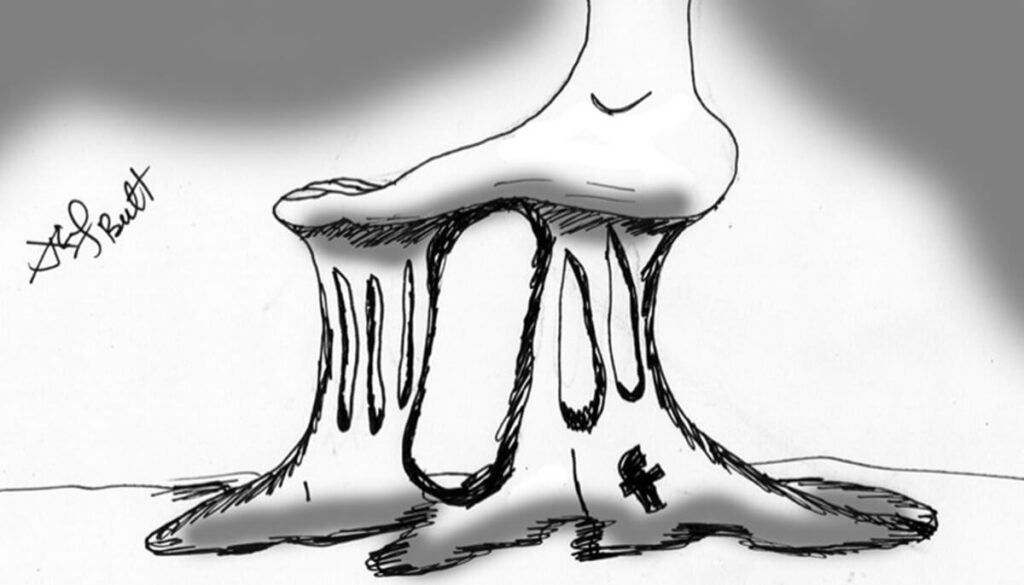
THE media landscape in Bangladesh is diverse and vibrant, but it also faces challenges such as political influence, ownership concentration, and self-censorship. This complexity leads to various narratives presented across different media outlets. The government has a significant influence on the narrative in the media. This influence can be exerted through a variety of means, including:
Censorship: The government can censor media content it deems critical or harmful. This can be done through direct orders to media outlets or indirect pressure, such as threats of legal action or financial penalties. In 2022, for example, the Bangladeshi government shut down the online platform of the prominent Bangla daily Prothom Alo, citing the dissemination of ‘false and misleading’ information.
Ownership: The government owns several media outlets, including Bangladesh Television, Bangladesh Betar, and Bangladesh Sangbad Sangstha. These are state-owned television channels, radio, and news agencies. The government also wields significant influence over the ownership of privately owned media outlets through government advertisements and its control of other financial resources.
Legislation: The government has enacted laws restricting the freedom of the press, making it easier for the government to prosecute journalists for critical reporting. In 2018, the government passed the Digital Security Act, granting broad powers to law enforcers to arrest and detain individuals for online speech. The DSA was later replaced by the Cyber Security Act in 2023, which is almost identical.
Self-censorship: Journalists in Bangladesh often practise self-censorship due to fear of government retaliation. This means they may avoid reporting on sensitive topics or criticising the government.
The influence of the government on the media has several negative consequences. It restricts the flow of information to the public, hinders journalists from effectively performing their jobs, and undermines democratic values. Here are some specific examples of how the government has influenced the media narrative:
— In 2021, the social network Facebook and its messaging app were down in Bangladesh. This was seen as an attempt to censor information and prevent people from organising protests.
— In 2019, a Bangladeshi journalist was arrested for reporting election irregularities. This was perceived as an attempt to intimidate journalists and prevent them from writing on sensitive topics.
These are just a few examples of how the government has used its power to influence the media narrative. The impact of this influence is significant, and it has a negative effect on the freedom of the press and the people’s ability to access accurate information.
America’s influence
THE United States wields significant influence on Bangladeshi media, directly and indirectly.
Direct influence: The US government also conducts numerous cultural exchange programmes that bring Bangladeshi journalists to the US. These programmes expose journalists to US perspectives on various issues and can shape how they report on these subjects.
Indirect influence: The US additionally holds substantial sway over Bangladeshi media by controlling the global news agenda. US news outlets such as the Washington Post, the New York Times, and the Wall Street Journal rank among the most widely consumed globally, often setting the agenda for other news sources. Consequently, how US news outlets cover stories frequently influences Bangladeshi media outlets.
Moreover, the US substantially influences Bangladeshi media through its economic power. As a major trading partner for Bangladesh and a significant provider of foreign aid, the US possesses considerable leverage over the Bangladeshi government. This leverage can be employed to pressure the government and influence the media narrative.
China’s influence
CHINA has been increasing its influence in Bangladesh in recent years, including an attempt to shape the narrative in Bangladeshi media.
Direct influence: China has made significant investments in Bangladeshi media outlets, both directly and indirectly. For example, in 2018, United News of Bangladesh and the Chinese news agency Xinhua signed a news exchange agreement.
Indirect influence: China also influences Bangladeshi media indirectly by controlling the global news agenda. Chinese state media outlets are among the most widely consumed globally, often setting the agenda for other news outlets. This means that Bangladeshi media outlets are frequently influenced by how Chinese state media outlets cover stories.
Additionally, China uses its economic power to influence Bangladeshi media. Being a major trading partner for Bangladesh and providing a significant amount of foreign aid to the country, China holds considerable leverage over the Bangladeshi government. This leverage has been used to pressure the government and influence the media narrative.
The deep political polarisation in Bangladesh significantly influences media narratives. Pro-government media regularly presents narratives that favour the ruling party. On the other hand, opposition media sometimes criticise government policies and actions, as their scope of criticism is very limited. Like the government of Bangladesh, superpowers like the United States and China wield significant influence on Bangladeshi media, directly and indirectly.
Tarique Choyon is a Fellow of Centre for Governance Studies (CGS).
This article was originally published on The Daily New Age.
Views in this article are author’s own and do not necessarily reflect CGS policy.