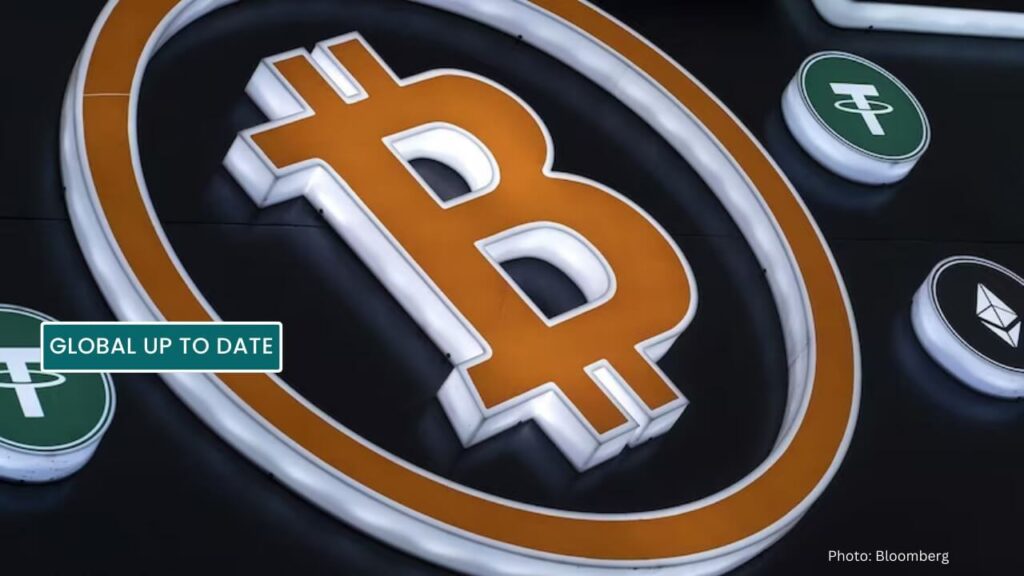
The Global Trade Research Initiative (GTRI) has recommended the inclusion of Cryptocurrency in the ongoing E-Commerce Negotiations among WTO members. GTRI's co-founder, Ajay Srivastava, highlighted that "The incorporation or exclusion of cryptocurrencies, and the differing stances among powerful nations, will significantly influence the future of international e-commerce policies."
Cryptocurrency, or crypto, is a digital currency specifically designed to function as a medium of exchange through a computer network, operating without dependence on any central authority. Its introduction into the digital sphere has catalyzed revolutionary changes in our perception of currency. The security and decentralized nature of digital currencies have contributed to their increasing popularity due to their versatile features.
The growing popularity of cryptocurrencies has extended their influence across countries worldwide, significantly impacting monetary and financial policies in the global economy. Several influential nations, including the US, India, China, and others, are actively working on regulating the sphere of digital currencies within their borders.
In terms of the world economy, cryptocurrency is leaving its mark by enhancing the autonomy of international transactions. As of 2022, the global cryptocurrency market size was USD 2,191.25 million and is projected to grow at a compound annual growth rate of 11.6% during the forecast period. Presently, the global cryptocurrency market cap stands at USD 1.3 trillion, according to Forbes.
The data underscores the escalating significance of cryptocurrency in digital trade. Notably, various prominent e-commerce platforms such as WooCommerce, BigCommerce, and Shopify are either accepting or facilitating cryptocurrency transactions, further emphasizing the importance of discussing the role of cryptocurrency in the e-commerce domain.
Currently, WTO member nations are engaged in two-pronged e-commerce negotiations, focused on a joint initiative and the e-commerce moratorium. The talks aim to address subjects including tariffs, customs clearance, paperless trading, online privacy, and cybersecurity. However, the absence of the US in these discussions, announced on October 25, presents a significant hurdle for other members in making comprehensive decisions. India also refrained from participating following the US withdrawal.
The ongoing moratorium, initiated in 1998, prevents countries from imposing customs duties on electronic transmissions and was extended for two years in 2022. India argues that the moratorium disproportionately affects developing countries and proposes new regulations to support the digital advancement of such nations, regulate imports, and generate revenue through customs duties. This argument has received strong support from nations such as Sri Lanka and Indonesia.
GTRI claimed that the United Nations Conference on Trade and Development estimates an annual potential tariff revenue loss of USD 10 billion for developing countries due to the e-transaction moratorium, whereas developed countries are only losing USD 289.
GTRI emphasized the increasing complexity of discussions due to the rise of cryptocurrency, a digital currency beyond the control of central banks. They stressed the importance for WTO members to prioritize discussions on cryptocurrency and its potential connections with ongoing e-commerce negotiations to avoid misinterpretations that may lead to disputes.
The ongoing WTO negotiations confront a crucial juncture as the GTRI advocates for the integration of cryptocurrency to shape the future of international e-commerce policies. The global impact of cryptocurrency on financial systems and e-commerce platforms demands immediate consideration. Recent setbacks, including notable absentees and disagreements over e-commerce moratoriums, highlight the conflicting opinions among influential nations. The ascent of digital currencies in global trade underscores the urgency for immediate discussions within these negotiations to prevent future disputes and establish a comprehensive framework capable of accommodating this dynamic economic landscape. The inclusion of cryptocurrency in these discussions is pivotal for shaping resilient and inclusive global trade policies.
Aong Cha Ching Marma is an Intern at CGS